

Reef Rescue Field Trips Level 3: Advanced Field Operations (Nassau)
Reef Rescue Field Trips Level 3: Advanced Field Operations (Nassau)
Couldn't load pickup availability
Two days alongside active restoration projects, year-round out of Albany, Nassau.
Day 1 opens with an operational briefing and planning session, then two working dives focused on reef assessment and monitoring techniques, plus a dive observing PIMS staff establishing a monitoring plot and conducting photogrammetry. Surface intervals include GPS data collection and site documentation. Day 2 emphasizes operational efficiency and restoration execution across two to three working dives, depending on conditions. This is the level for divers who want their bottom time measured in growth tracked.
Next anchor date: August 29-30, 2026. Custom dates available year-round.
Group buyout for up to five participants. One person books for the group.
Recommended: experienced divers with prior restoration experience or completion of Level 2 training.
Required Documentation
- Perry Institute for Marine Science Liability Release
- PADI Travel and Excursions Liability Release
What's Included
- Tanks, weights, dive gear rental if you need it
- All training materials and restoration tools
- Packed lunch and water on the boat
- PIMS staff instruction at 1:3 ratio
- Vessel operations and fuel
Not Included
- Travel to Nassau
- Accommodations
- Meals outside program hours
- Dive insurance
Anchor dates run around World Oceans Day (Level 1, June 7, 2026) and Shark Awareness Day (Level 2, July 11-12, 2026); Level 3 anchor is August 29-30, 2026. Custom dates available year-round. After booking, we'll coordinate dates that work for your group.
Cancellation and reschedule terms confirmed at booking. Full policy modeled on PIMS Reef Rescue Excursions Terms and Conditions, available on request.
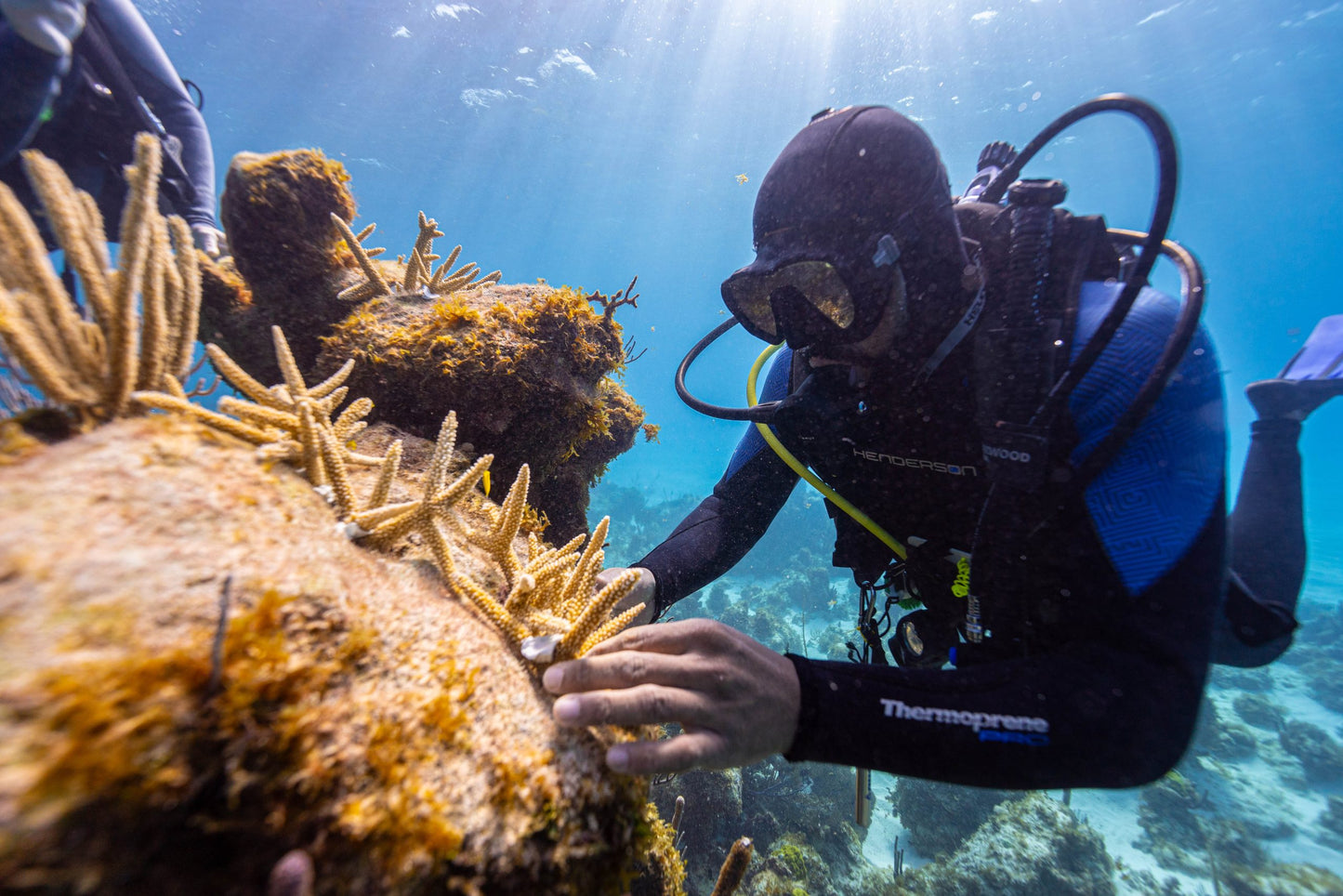
The Reef Rescue Mission
Answer the call of corals together with the Reef Rescue Network! We’re committed to improving the condition of coral reefs by restoring populations of corals and other species that will build coral reef resilience. These actions will result in meaningful coral restoration across large spatial scales to make substantial improvements to coral reef health and contribute to our knowledge of coral biology, ecology, reef ecosystem function, and how we can improve their condition.